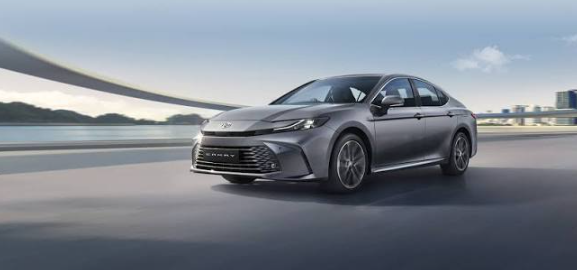

Hong Kong is a city that asks a lot of its cars. Short trips, steep hills, crowded streets, tunnels and constant stop-start traffic are part of everyday driving, and the vehicle you choose has to cope with all of it without fuss. For many drivers, a hybrid has become the middle ground between a conventional petrol car and a fully battery-powered model: it uses a petrol engine together with an electric motor, and it can recover energy every time you slow down. The result is a car that feels familiar to drive, yet behaves differently in the traffic conditions this city is known for.
How a Hybrid Actually Works
At its simplest, a hybrid pairs a petrol engine with one or more electric motors and a battery pack. The car decides, moment by moment, which power source to use. At low speeds, such as when you are crawling through traffic or pulling away from a junction, the electric motor often does most of the work. When you need more power, for example to climb a hill or join a fast-moving road, the petrol engine joins in. On a motorway run, the engine usually takes over almost entirely.
The clever part is regenerative braking. Every time you lift off the accelerator or press the brake, the electric motor acts as a generator and feeds energy back into the battery. In a city where you brake dozens of times on a single journey, that recovered energy adds up. It is also why hybrids tend to be at their most efficient in urban driving, which is the opposite of a conventional petrol car that wastes fuel idling and accelerating away from every stop.
The Main Types to Compare
Not all hybrids work the same way, and the differences matter when you compare models. The hybrid car hong kong range covers the three main types below, so comparing them side by side is the usual starting point.
A mild hybrid uses a small electric motor to assist the petrol engine, mainly when accelerating, and to restart the engine smoothly after it stops at traffic lights. It cannot drive on electric power alone, and the fuel savings are smaller than with other types, but the system is simple and the price difference over a conventional model is usually modest.
A full hybrid carries a larger battery and a more powerful motor, so it can drive short distances on electric power alone at low speeds. This is the type most people picture when they think of a hybrid, and it is the one that benefits most from Hong Kong’s stop-start traffic.
A plug-in hybrid has the largest battery of the three and can be charged from an external power source. It can cover a meaningful daily distance without using petrol at all, provided you charge it regularly. The trade-off is a higher purchase price, a heavier battery, and the need for somewhere to charge. If you regularly drive beyond the city and want the flexibility of petrol for longer trips, it can be a practical compromise.
Choosing the Right Model for You
Start with your own driving pattern rather than the specifications. Note how far you travel each day, how much of it is in slow traffic, whether you carry passengers or luggage regularly, and whether you have anywhere to charge a plug-in model. A compact hybrid suits short city trips and tight parking spaces, while a larger model may be better if you often carry family or equipment.
Test drives matter more with hybrids than with conventional cars, because the driving feel is different. Pay attention to how smoothly the engine starts and stops, how the car pulls away from rest, and whether the transition between electric and petrol power feels seamless or jerky. Drive the same route you use every day, including a hill start and a stretch of slow traffic, so you can judge the car in the conditions that matter to you.
A good starting point for comparing what is currently available is to look through the current model line-up alongside your notes on daily mileage, parking and budget. Comparing two or three models side by side, rather than judging one in isolation, usually makes the differences much clearer. Take your time, ask the dealer about battery warranty terms and servicing intervals, and make sure the model you choose fits your life, not just your expectations.
Frequently Asked Questions
1. Do I need to charge a hybrid car at home?
A standard hybrid does not need to be plugged in at all, because its battery charges from the engine and from braking. Only a plug-in model needs an external power source, and it can still run on petrol if you cannot charge it. If you have no home charging point, a standard full hybrid is usually the simpler choice.
2. Are hybrids reliable for daily driving in Hong Kong?
Hybrids have been used in Hong Kong for many years, and the technology is well proven in city conditions. Routine servicing is similar to a conventional car, and brake components often last longer because regenerative braking shares the workload. As with any car, following the manufacturer’s service schedule is the best way to keep it dependable.
3. Will a hybrid save me money on fuel?
It depends on how you drive. In slow, stop-start city traffic, a hybrid typically uses less petrol than a comparable conventional car, because the engine switches off at standstill and the motor handles low-speed driving. On long motorway journeys the saving is smaller. Your weekly mileage and driving conditions decide how quickly any extra purchase cost is recovered.
Conclusion
A hybrid makes the most sense when your driving matches what the technology does best: short trips, slow traffic, frequent stops and hilly roads, all of which describe much of Hong Kong. By understanding the differences between mild, full and plug-in systems, looking honestly at your mileage and parking situation, and test driving on your own daily route, you can choose a car that fits the way you actually live. Take the comparison step by step, check the warranty and servicing terms, and let your real driving pattern, rather than a brochure figure, guide the final decision.


 By