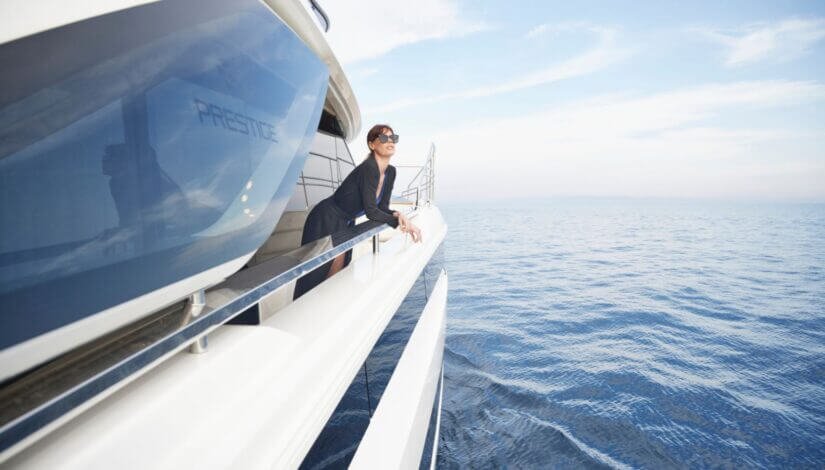

Buying a yacht is a significant decision that combines lifestyle preferences with practical, financial and operational considerations. For some people, yacht ownership represents the freedom to explore coastal destinations. For others, it is a way to spend time with family, entertain guests or enjoy recreational boating.
Whatever the motivation, a successful purchase begins with understanding what ownership involves. The right vessel is not necessarily the largest or most expensive one. It is the yacht that fits the buyer’s intended use, experience and long-term plans.
Defining How the Yacht Will Be Used
Before comparing vessels, buyers should identify the main purpose of ownership. A yacht used for occasional day trips may have different requirements from one intended for extended cruising.
Consider whether the vessel will mainly be used for:
- Short coastal journeys
- Family recreation and social gatherings
- Longer-distance cruising
- Water sports and leisure activities
- Private entertaining
- Seasonal or international travel
The number of passengers, preferred destinations and expected time onboard will influence the size, layout and equipment required.
Understanding Different Yacht Types
Yachts vary in design, propulsion, accommodation and handling characteristics. Motor yachts are often selected by buyers who value powered cruising and onboard space. Sailing yachts offer a different experience, relying on wind and sailing systems as part of navigation.
Catamarans have two hulls and may provide a wider platform and different space arrangements compared with conventional monohull designs. The best option depends on the buyer’s priorities rather than a single general ranking.
It is useful to compare interior layouts, deck space, storage, engine configuration and expected operating requirements.
Setting a Realistic Ownership Budget
The purchase price is only one part of the financial commitment. Owners should also plan for ongoing expenses, which may include:
- Mooring or marina fees
- Insurance
- Fuel and utilities
- Routine servicing
- Repairs and replacement equipment
- Crew costs, where applicable
- Registration and compliance expenses
Costs vary according to the yacht’s size, age, location and usage. Buyers should request detailed information rather than relying on broad estimates.
A contingency fund is also sensible because maintenance needs can change over time.
Inspecting Condition and Documentation
A yacht should be assessed carefully before a purchase is completed. For a used vessel, a professional survey can help identify structural, mechanical and equipment-related concerns.
Buyers should review maintenance records, ownership documents, registration details and any available service history. Engine hours, equipment condition and previous repairs may also influence the decision.
A sea trial can provide useful insight into handling and performance, although it does not replace a proper survey. Any concerns identified during inspection should be discussed with qualified marine professionals.
Considering Safety and Practical Equipment
Safety equipment should be appropriate for the vessel, its operating area and the number of people onboard. Depending on local requirements, this may include life-saving equipment, communication systems, navigation tools, fire protection and emergency supplies.
Buyers should also consider whether the yacht is suitable for their level of experience. Larger or more complex vessels may require professional crew or additional training.
Operating a yacht safely involves understanding weather, navigation, local regulations and emergency procedures.
Ownership, Management and Support
Yacht ownership involves ongoing administration as well as recreational use. Some owners handle maintenance and scheduling themselves, while others appoint professional support.
A management arrangement may help coordinate servicing, marina logistics, crew matters and other operational tasks. The level of support required depends on the yacht and how frequently it is used.
Buyers should clarify what responsibilities they are willing to manage personally and which may be better handled by specialists.
Comparing Vessels and Purchase Opportunities
A careful comparison should consider more than photographs or advertised specifications. Buyers should examine layout, condition, equipment, service history and the vessel’s suitability for their intended use.
Those planning to buy yacht can explore available purchase information and compare potential options against their practical requirements.
It is helpful to prepare a shortlist and discuss technical questions with a knowledgeable broker or marine surveyor. Buyers should also understand the transaction process, payment arrangements and any conditions attached to the sale.
Planning for Long-Term Enjoyment
A yacht should support the owner’s lifestyle without creating an unmanageable financial or operational burden. Thinking about future use is therefore important.
A buyer who expects to cruise more frequently in the future may need different accommodation or range from someone who mainly plans short outings. Storage, accessibility and resale considerations may also be relevant.
Taking time to research and seek professional advice can help turn an exciting purchase into a well-considered decision.
FAQs
1. What should I decide before buying a yacht?
Define the intended use, passenger capacity, preferred destinations, budget and level of maintenance support. These factors help narrow down suitable yacht types.
2. Is a professional survey important when buying a used yacht?
Yes. A qualified marine survey can identify potential structural, mechanical and equipment issues. It provides important information but should be considered alongside documentation and a sea trial.
3. Are maintenance costs included in the purchase price?
Usually not. Owners should budget separately for insurance, mooring, servicing, fuel, repairs and other operating expenses.
Conclusion
Buying a yacht requires a balance between personal ambition and practical planning. Understanding vessel types, budgeting for ongoing costs and arranging professional inspections can help buyers make informed decisions. With careful research, the purchase process becomes more manageable and the chosen yacht is more likely to suit its intended purpose.


 By