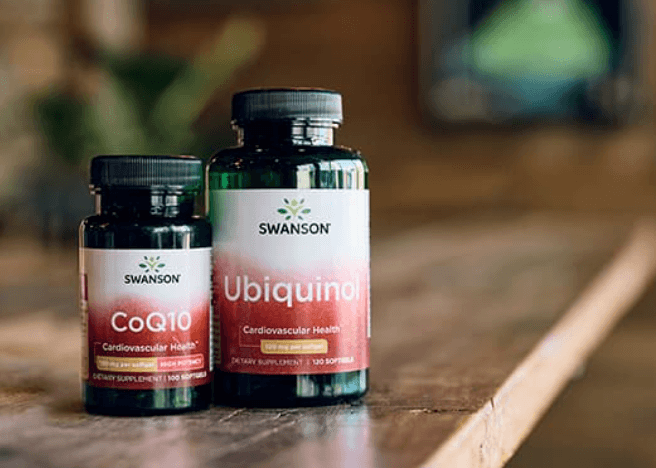

Coenzyme Q10 (CoQ10) is one of the most popular supplements for supporting cardiovascular health, boosting cellular energy, and managing the side effects of cholesterol-lowering statin medications. However, when you browse for a CoQ10 supplement, you are immediately faced with a confusing choice between its two distinct forms.
If you are researching ubiquinone vs ubiquinol to determine which supplement is best for your health needs, you are not alone. Understanding how your body processes these two molecules is essential for getting the most out of your supplement.
Based on clinical insights from Cured Pharmacy, this comprehensive guide breaks down the science behind both forms to help you make an informed, health-conscious decision.
What is CoQ10?
Before comparing the two forms, it is helpful to understand what CoQ10 actually does. CoQ10 is a naturally occurring compound found in the mitochondria (the energy-producing powerhouses) of almost every cell in your body. It serves two primary biological functions:
- Energy Production: It helps generate ATP, the essential energy currency of your cells.
- Antioxidant Protection: It protects your cells from oxidative stress and free radical damage.
Your body naturally shifts CoQ10 continuously back and forth between two states—ubiquinone and ubiquinol—depending on what it needs at any given moment.
What is Ubiquinone? (The Oxidized Form)
Ubiquinone is the fully oxidized form of CoQ10. This is the version of the compound that has been studied the most extensively over the past few decades.
When you take a ubiquinone supplement, your body must first absorb it into the bloodstream and then actively convert it into ubiquinol before it can be used for antioxidant protection.
Key Benefits of Ubiquinone:
- Highly Stable: It is less susceptible to breaking down when exposed to air and light, giving it a longer, more stable shelf life.
- Cost-Effective: Because it is easier and cheaper to manufacture, ubiquinone supplements are generally much more affordable.
- Extensive Clinical Backing: The vast majority of historical clinical trials demonstrating the cardiovascular benefits of CoQ10 utilized the ubiquinone form.
What is Ubiquinol? (The Active Form)
Ubiquinol is the unoxidized, active antioxidant form of CoQ10. Because it has two extra electrons, it is ready to be used immediately by the body to neutralize free radicals without needing any biological conversion.
Key Benefits of Ubiquinol:
- Higher Bioavailability: Studies consistently show that ubiquinol is absorbed by the digestive tract much more efficiently than standard ubiquinone.
- Ready to Use: Because it is already in the active state, your body does not have to expend energy converting it, making it immediately available for cellular protection.
- Better for Older Adults: As we age (typically starting around age 40), our body’s natural ability to convert ubiquinone into ubiquinol drastically declines. Taking ubiquinol directly bypasses this metabolic bottleneck.
Ubiquinone vs Ubiquinol: A Side-by-Side Comparison
To clarify the ubiquinone vs ubiquinol debate, here is a quick comparison of how they stack up against each other:
| Feature | Ubiquinone | Ubiquinol |
| Chemical State | Oxidized | Unoxidized (Active Antioxidant) |
| Conversion Needed? | Yes. Must be converted by the body. | No. Ready for immediate use. |
| Absorption Rate | Lower (harder for the gut to absorb) | Significantly Higher (more readily absorbed) |
| Price Point | Generally lower | Generally higher (premium price) |
| Best For | Healthy individuals under 40 on a budget | Adults over 40, or those with absorption issues |
Which Form Should You Choose?
The decision ultimately comes down to your age, your current health goals, and your budget.
Choose Ubiquinone If:
- You are under the age of 40 and in generally good health. Your body is still highly efficient at converting ubiquinone into the active form on its own.https://curedpharmacy.com/pages/ubiquinone-vs-ubiquinol-coq10
- You are looking for a budget-friendly way to support your daily energy levels and general cardiovascular wellness.
Choose Ubiquinol If:
- You are over the age of 40. Supplying your body with the pre-converted active form ensures you actually reap the antioxidant benefits as your natural conversion rates slow down.
- You are taking statin medications. Statins are known to severely deplete natural CoQ10 levels, and the highly bioavailable ubiquinol is often recommended by pharmacists to help restore these levels rapidly and alleviate statin-induced muscle pain.
- You have an underlying health condition that impairs your nutrient absorption or metabolic processes.
No matter which side of the ubiquinone vs ubiquinol debate you land on, it is important to remember that both forms are fat-soluble. To maximize absorption, you should always take your CoQ10 supplement alongside a meal that contains healthy fats, such as olive oil, avocados, or nuts.


 By
By