
Contrast therapy, alternating a hot sauna with cold water immersion in the same session, can be set up on a budget for roughly $3,500 to $5,500 total using a basic two-person outdoor sauna and an unheated stock-tank style cold plunge rather than a fully chilled unit. A common beginner protocol is two to three rounds of about 12 minutes of heat followed by 60 to 90 seconds of cold. The cardiovascular research behind the sauna side is fairly solid, while the recovery evidence for the cold side is genuinely mixed and worth understanding before spending on the plunge portion.
What Is Contrast Therapy and Why Pair Sauna With Cold Plunge?
Contrast therapy means moving between hot and cold exposure in the same session, usually several rounds rather than one hot session followed by one cold dip. The theory is that the rapid shift in blood vessel dilation and constriction between heat and cold produces effects neither one delivers alone. In practice, most people who pair the two do it for the combination of the sauna’s relaxation and cardiovascular benefit with the cold plunge’s alertness and reported reduction in perceived soreness after hard training. It is not necessary to own both to get value from a sauna alone, but the pairing is popular enough that it’s worth understanding before deciding whether the extra cold-plunge cost is worth it for your routine.
What Does a Budget Contrast Setup Actually Cost?
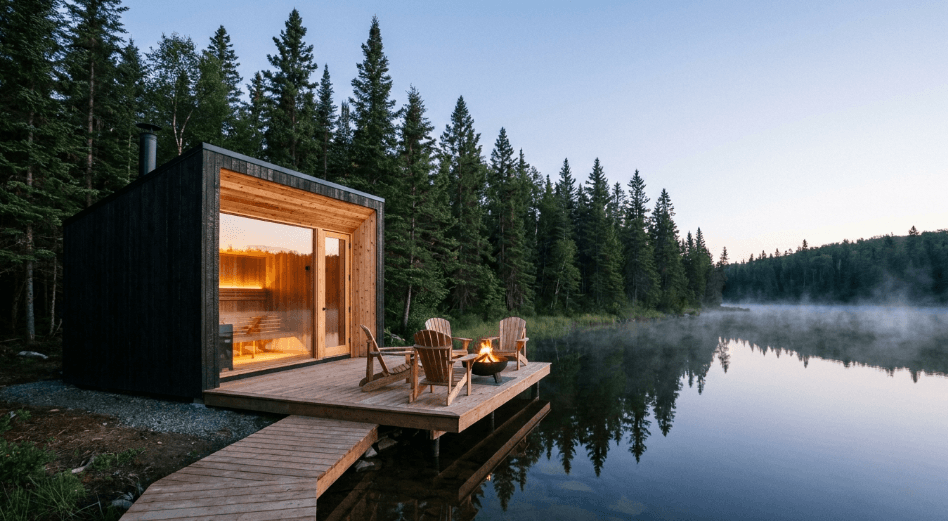
The sauna side of a budget setup runs $2,800 to $4,500 for a two-person cedar cabin or barrel with a 4.5 to 6 kilowatt heater, plus electrical work if needed. The cold side can be built cheaply using a large stock tank or a dedicated unheated plunge tub, filled with hose water and topped with bagged ice as needed, for a few hundred dollars total rather than the $2,000 or more a fully chilled, filtered plunge system costs. Before finalizing the sauna half of the setup, it’s worth checking current pricing and heater specs across a few retailers, including Sweat Decks, Redwood Outdoors, and Almost Heaven, since heater wattage and stone capacity vary enough between comparable listings to matter on a fixed budget.
What Does a Basic Contrast Protocol Look Like?
A common beginner pattern is two to three rounds of roughly 12 minutes in the sauna at 170 to 190 degrees, followed by 60 to 90 seconds in cold water, typically somewhere between 50 and 60 degrees Fahrenheit for an unchilled tank depending on season and hose water temperature. Some people finish on a warm round rather than a cold one if comfort and relaxation are the main goal, while others finish cold if alertness or a post-training routine is the priority. There’s no single correct sequence, and starting conservative, one round to see how the body responds, is reasonable before building up to a longer multi-round session.
What Does the Cardiovascular Research Actually Show?
The sauna side of contrast therapy has real research behind it. A large Finnish cohort study found that men using a sauna four to seven times a week had lower rates of fatal cardiovascular events and all-cause mortality compared with once-a-week users, an association that held after adjusting for other risk factors. A related analysis found sauna bathing and cardiorespiratory fitness were jointly associated with lower mortality risk, and a separate short-term study measured favorable shifts in blood-based cardiovascular markers after sauna sessions in regular users. These are population-level associations from mostly Finnish cohorts, not a guarantee for any one person, but they are among the more consistent findings in this area of research. The cold-water side of the pairing has thinner and more mixed evidence, particularly for anyone using cold plunge specifically to build strength or muscle, where cold immersion right after resistance training may blunt some adaptations rather than help them.
What Should You Skip When Money Is Tight?
A filtration and chiller system for the cold plunge is the single most skippable expense on a tight budget, since a stock tank refreshed with hose water and occasional ice covers the basic contrast-therapy use case without the ongoing cost of running a chiller. On the sauna side, the heater and wood thickness are not the place to cut, since those affect how well the sauna performs for years, while bench upgrades and premium exterior finishes are reasonable to skip or add later once the core setup is working.
What Order Should You Build the Setup In?
For most budgets, buying the sauna first and adding the cold plunge later makes more financial sense than trying to fund both at once. A sauna alone still delivers the bulk of the researched cardiovascular benefit, so there is no real downside to using it solo for a season while saving toward a plunge setup. Building in stages also means the stock-tank cold side can be tested cheaply before committing to a filtered, chilled system, so money only goes toward a permanent chiller once you know contrast bathing is actually a routine you will keep up.
How Do You Maintain a DIY Cold Plunge Without a Chiller?
An unheated stock tank needs regular water changes, roughly weekly with light use, more often in warm weather when algae growth speeds up, since there is no filtration system doing that work automatically. A tight-fitting cover keeps out debris and slows evaporation between uses, and a small amount of chlorine or a dedicated tank sanitizer, dosed at levels safe for skin contact, keeps bacteria in check between full water changes. This adds a modest weekly chore compared with a filtered system, which is part of the tradeoff for the lower upfront cost of going the stock-tank route.
Frequently Asked Questions
What is contrast therapy with a sauna and cold plunge? Contrast therapy alternates hot sauna exposure with cold water immersion in the same session, typically several rounds of 10 to 15 minutes of heat followed by 1 to 3 minutes of cold.
How much does a budget contrast therapy setup cost? A basic two-person outdoor sauna paired with a simple unheated cold plunge tub or stock tank can be assembled for roughly $3,500 to $5,500 total.
Is cold plunging after a sauna proven to speed muscle recovery? The evidence is mixed. Cold water immersion is associated with reduced perceived soreness in several studies, but it may blunt strength and muscle-building adaptations after resistance training.
How many rounds of hot and cold should a beginner do? A common beginner pattern is two to three rounds of about 12 minutes in the sauna followed by 60 to 90 seconds in the cold.
References
- Association between sauna bathing and fatal cardiovascular and all-cause mortality events, JAMA Internal Medicine, 2015
- Joint associations of sauna bathing and cardiorespiratory fitness on cardiovascular and all-cause mortality risk: a long-term prospective cohort study, Annals of Medicine, 2018
- Short-term effects of Finnish sauna bathing on blood-based markers of cardiovascular function in non-naive sauna users, Heart and Vessels, 2018



 By
By