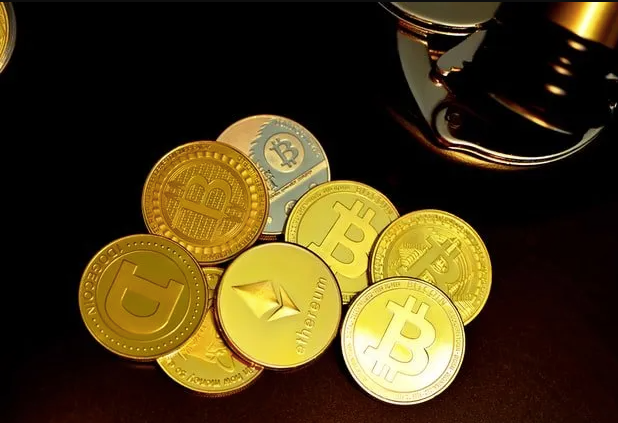

Wrapped tokens represent a significant advancement in blockchain interoperability. They allow assets from one blockchain to be utilized on another, thus enhancing liquidity and market efficiency within decentralized environments. The process involves a custodian who secures the original tokens while issuing a corresponding wrapped version. This mechanism opens avenues for participation in decentralized finance (DeFi) but raises questions about security and trust. Understanding these dynamics is crucial for grasping the implications of wrapped tokens in the broader crypto landscape.
Understanding the Concept of Wrapped Tokens
Although the concept of wrapped tokens may initially seem complex, it serves a crucial role in the interoperability of blockchain ecosystems.
A wrapped token definition refers to a digital asset that represents another asset, enabling cross-chain transactions. This mechanism enhances token interoperability, allowing users to leverage diverse blockchain platforms without restrictions.
Ultimately, it fosters a decentralized environment where assets can move freely across different networks.
The Process of Wrapping Tokens
When users want to utilize wrapped tokens, they typically engage in a process that involves several key steps designed to ensure the secure representation of the underlying asset.
This process employs various wrapping mechanisms, adhering to established token standards. Users deposit their original tokens with a custodian, who then issues the corresponding wrapped tokens, enabling interoperability across different blockchain ecosystems while maintaining security and trust.
Benefits of Using Wrapped Tokens
Wrapped tokens offer several advantages that enhance their utility within the cryptocurrency ecosystem. They facilitate liquidity enhancement by enabling seamless trading across different platforms, reducing slippage and improving market efficiency.
Additionally, their cross chain compatibility allows users to leverage assets across various blockchain networks, promoting interoperability. This functionality empowers users to diversify their portfolios and engage in decentralized finance (DeFi) opportunities with greater flexibility and ease.
See also: Machine Learning Vs Artificial Intelligence
Popular Examples of Wrapped Tokens
Numerous wrapped tokens have emerged in the cryptocurrency landscape, each serving distinct purposes and gaining popularity among users.
Notably, wrapped Bitcoin (WBTC) and wrapped Ethereum (WETH) facilitate seamless interoperability across decentralized finance platforms.
These tokens enable holders to leverage the value of Bitcoin and Ethereum on different networks, enhancing liquidity and expanding access to diverse financial applications while maintaining the underlying asset’s value.
Conclusion
In conclusion, wrapped tokens play a crucial role in enhancing cross-chain interoperability, significantly expanding the utility of digital assets. With the total market capitalization of wrapped tokens surpassing $10 billion, they have become integral to the decentralized finance landscape. This growth underscores their importance in fostering liquidity and facilitating seamless transactions across various blockchain ecosystems. As the demand for interoperability continues to rise, wrapped tokens are likely to remain a fundamental component of the evolving digital asset ecosystem.

 By
By