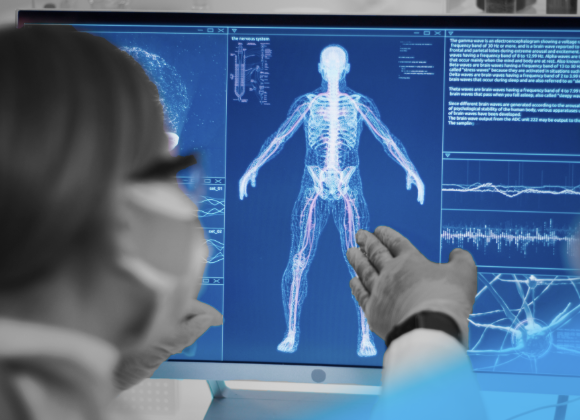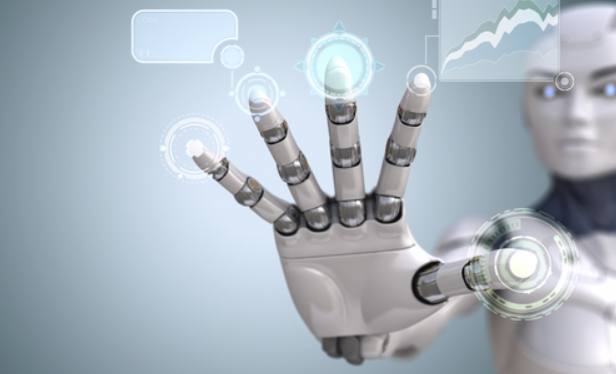

The distinction between machine learning and artificial intelligence is essential for understanding contemporary technological advancements. While AI aims to replicate human cognitive functions, machine learning serves as a critical subset, focusing on adaptive algorithms that learn from data. This relationship raises important questions about the implications of their integration. As these technologies evolve, one must consider the potential impacts on various sectors and the ethical dilemmas that may arise. What lies ahead in this dynamic field?
Understanding Artificial Intelligence
Artificial Intelligence (AI) represents a transformative paradigm in computing, characterized by the ability of machines to perform tasks that typically require human intelligence.
AI applications span various sectors, enhancing efficiency and decision-making.
However, the rapid advancement of AI necessitates a rigorous examination of AI ethics, addressing concerns such as bias, accountability, and privacy, ultimately shaping a responsible framework for future developments in this technology.
The Fundamentals of Machine Learning
Machine learning (ML) serves as a pivotal subset of artificial intelligence, focusing on the development of algorithms that enable systems to learn from and make predictions based on data.
It encompasses two primary approaches: supervised learning, where models are trained on labeled datasets, and unsupervised learning, which identifies patterns in unlabeled data.
These methodologies empower systems to adapt and evolve autonomously.
Key Differences Between Machine Learning and Artificial Intelligence
While both machine learning and artificial intelligence are often used interchangeably, they represent distinct concepts within the broader field of computational intelligence.
Machine learning, a subset of artificial intelligence, emphasizes algorithms like supervised learning and structures such as neural networks to enable systems to learn from data.
In contrast, artificial intelligence encompasses a wider range of technologies aimed at simulating human-like cognitive functions.
See also: IoT Security Challenges
The Future of AI and Machine Learning Integration
As the demand for advanced computational solutions escalates, the integration of artificial intelligence and machine learning is poised to reshape industries and redefine problem-solving methodologies.
AI advancements and ML applications promise significant industry impacts. However, integration challenges and ethical considerations will shape future predictions, necessitating a balanced approach to harnessing these technologies while ensuring responsible deployment and addressing potential societal implications.
Conclusion
In conclusion, while machine learning and artificial intelligence are interrelated, they serve distinct purposes within the technological landscape. Machine learning enhances AI by enabling systems to learn from data, exemplified by the use of ML algorithms in predictive analytics for healthcare. For instance, a hospital utilizing machine learning to predict patient readmission rates can significantly improve patient outcomes and resource management, illustrating the profound impact of these technologies when integrated effectively.


 By
By